 Community food drives keep local pantries moving by replenishing essential groceries, preventing supply shortages, and helping families facing food insecurity access reliable food assistance. Donations from residents, schools, and businesses, combined with volunteer support, help pantries collect, sort, and distribute food to households in need.
The most effective food drives focus on items local pantries actually need, including canned proteins, rice, beans, pasta, and other shelf-stable essentials. While seasonal drives help address immediate shortages, recurring donations, financial contributions, and community partnerships provide more consistent support throughout the year. Organizations such as MT Hope House of Texas use community support to help families, seniors, and veterans experiencing financial hardship.
Why Local Food Pantries Depend on Community Food Drives
Local food pantries rely on community contributions to supplement food supplies and respond to changing household needs. Food drives provide nonperishable groceries and everyday essentials, helping organizations support families without depending entirely on purchased food or larger food bank deliveries.
How Food Drives Help Fill Pantry Shelves and Support Local Families
A single bag of donated groceries may seem small, but combined contributions create meaningful supplies for distribution. Canned vegetables, rice, beans, pasta, and other staples help families prepare meals while managing limited household budgets.
For example, a family facing unexpected medical expenses may struggle to cover groceries alongside rent and utilities. Access to a local pantry can ease that immediate pressure and help preserve money for other essential expenses.
In DeSoto, Texas, the MT Hope House Food Pantry Program provides food assistance to families, seniors, veterans, and individuals experiencing financial hardship.
Why Pantry Supplies Can Run Low Throughout the Year
Food insecurity does not follow a holiday schedule. Families may need assistance after job loss, reduced working hours, rising grocery costs, or unexpected emergencies.
Meanwhile, donations can fluctuate throughout the year. A pantry might receive substantial contributions during Thanksgiving but face shortages of everyday staples several months later.
Community food drives help address these gaps when organizers coordinate collection efforts with current inventory needs.
How Community Food Drives Keep Pantry Operations Moving
An effective food drive supports a complete process, from identifying missing supplies to getting food into households. Collecting groceries is only one part of keeping a local pantry operational.
Identifying the Food and Supplies Local Pantries Need Most
Pantry staff regularly assess available inventory against anticipated distribution needs. This helps identify shortages in essential categories such as proteins, grains, vegetables, and shelf-stable meals.
For example, a pantry might have enough canned soup for upcoming distributions but insufficient rice, beans, or peanut butter. A targeted collection can address those shortages more effectively than accepting an unpredictable assortment.
Collecting, Sorting, and Preparing Donations for Distribution
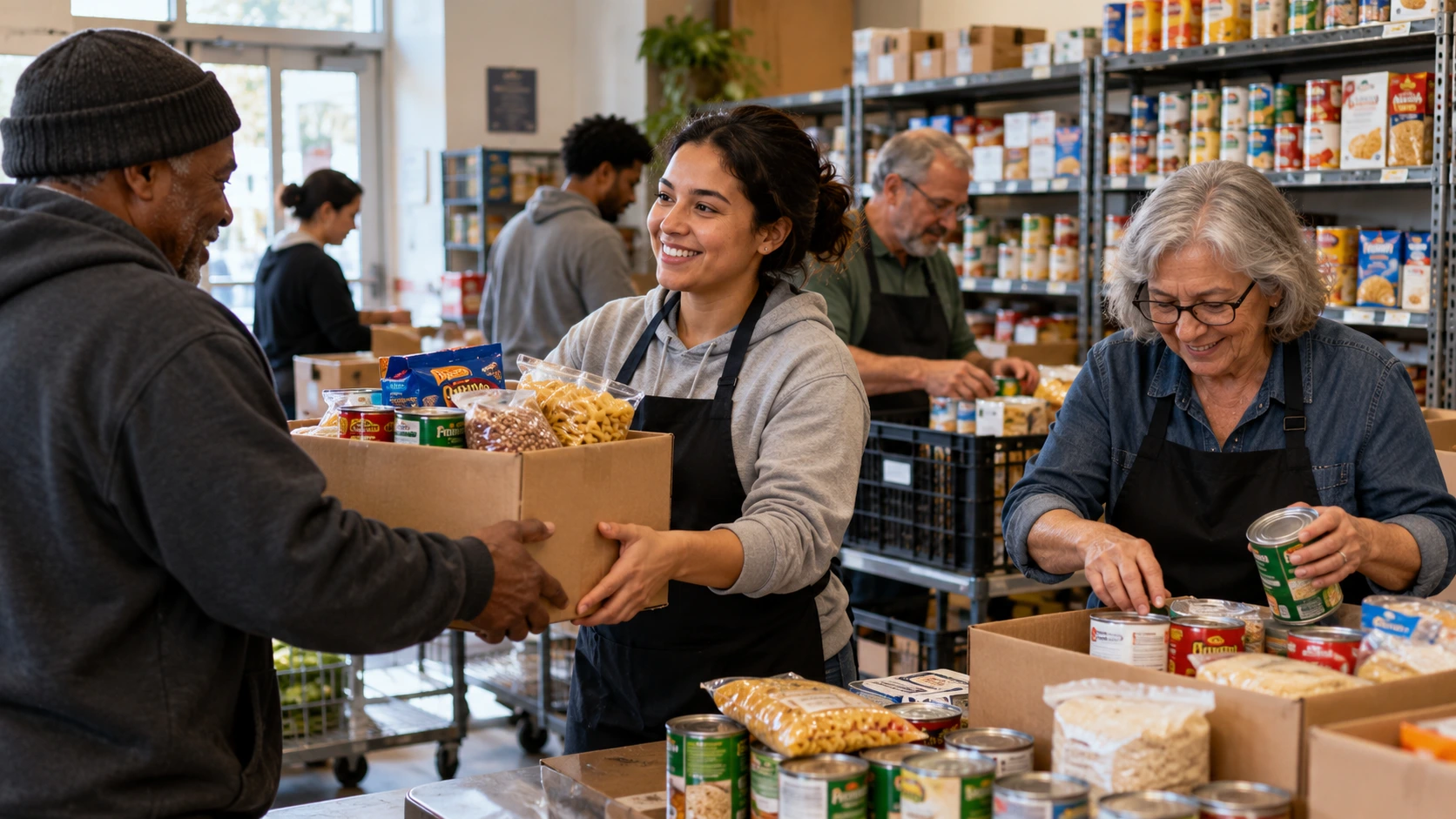
After collection, volunteers and pantry staff inspect packaging, check dates, organize items, and prepare food for distribution.
This work matters because receiving donations does not automatically make them ready for families. Damaged packaging, unsuitable products, and insufficient storage space can create additional work or waste.
Clear donation guidelines help make the process safer and more efficient.
Getting Donated Food Into the Hands of Local Families
Once sorted, groceries become part of scheduled pantry distributions, emergency assistance, or other approved food support programs.
Some organizations use a customer-choice pantry model, allowing households to select available foods that better suit their circumstances and preferences. MT Hope House uses this approach to support dignity and respect during food assistance.
According to Feeding America, food drives are one source of shelf-stable products alongside contributions from farmers, businesses, food purchasing, and government programs. This combination helps explain why coordinated community support is valuable to local distribution networks.
What Food Donations Make the Biggest Difference to Local Pantries?
The most helpful donations are safe, practical, and specifically requested by the receiving pantry. Donation quality and relevance often matter more than collecting the greatest possible number of items.
High-Demand Nonperishable Foods and Everyday Essentials
Commonly requested products include peanut butter, canned beans, vegetables, fruit, tuna, rice, pasta, and shelf-stable milk. Some pantries also request hygiene products, diapers, or other household essentials.
Choose unopened items with intact packaging and acceptable dates under the receiving organization’s policy. Avoid homemade meals, damaged cans, and refrigerated products unless the pantry specifically confirms it can accept and safely handle them.
Why Useful, Pantry-Requested Donations Matter More Than Quantity
Imagine two neighborhood drives. One collects several boxes of miscellaneous food, while another gathers smaller quantities of products from the pantry’s current request list.
The second drive may be easier to distribute and more effective at filling immediate shortages, even if it collects fewer items.
Checking the pantry’s needs beforehand also helps prevent excessive supplies of one product while other essentials remain unavailable.
When Monetary Donations May Be More Helpful Than Food
Financial contributions give hunger relief organizations purchasing flexibility. They can help cover missing groceries, transportation, equipment, and operational costs that donated food cannot address.
Food banks may also obtain products through purchasing arrangements unavailable to individual shoppers.
Both donation methods are valuable, but the best choice depends on the organization’s current priorities. Ask whether food, funding, or volunteer time would provide the greatest immediate benefit.
One-Time vs. Recurring Food Drives: Which Supports Pantries Better?
Both one-time and recurring food drives help local pantries maintain supplies, but they serve different purposes. One-time campaigns can address immediate shortages, while recurring food drives provide a more predictable flow of donations throughout the year.
Summarized Comparison Table: One-Time and Recurring Community Food Drives
| Factor | One-Time Food Drives | Recurring Food Drives |
| Primary purpose | Meet immediate or seasonal needs | Support ongoing pantry needs |
| Donation frequency | Single event or campaign | Weekly, monthly, or quarterly |
| Inventory support | Temporary stock replenishment | More predictable supplies |
| Volunteer involvement | Short-term participation | Continued community engagement |
| Coordination | Concentrated event planning | Regular communication with pantries |
Why Combining Seasonal Campaigns With Regular Donations Works Well
A holiday food drive might bring hundreds of donated items into a pantry within days. However, once those supplies are distributed, the organization must continue preparing for future households.
Combining seasonal campaigns with smaller, regular collections helps create a more dependable supply pattern.
For example, a business could organize a large Thanksgiving drive while collecting requested pantry staples every month. This approach supports both immediate food distribution and longer-term inventory planning.
How Schools, Businesses, Volunteers, and Nonprofits Strengthen Local Food Drives
Schools, businesses, volunteers, and nonprofits strengthen food drives by expanding participation and sharing responsibility for food collection. Their combined efforts can help pantries receive more relevant donations while reducing the organizational burden on staff.
Schools and Workplaces Can Mobilize More Community Donors
Schools can organize classroom collections, while workplaces can establish designated donation points or sponsor specific grocery categories.
For example, one workplace department might collect canned proteins while another gathers rice and pasta. Assigning categories helps prevent duplicate donations and encourages balanced collections.
These activities also introduce more people to local hunger relief efforts and create opportunities for continued involvement.
Volunteers and Nonprofit Partnerships Help Food Drives Run Efficiently
Volunteers assist with collecting, sorting, transporting, and distributing food. Their participation allows pantry teams to dedicate more attention to families seeking assistance.
Community partnerships can contribute transportation, storage resources, outreach, and volunteer coordination.
Organizations such as MT Hope House of Texas demonstrate how food assistance can work alongside community partnerships and broader support services to help families build greater stability.
How to Organize a Food Drive That Actually Helps Your Local Pantry
Start by contacting a nearby pantry before announcing your food drive. Ask what it needs, which items it accepts, and when donations should arrive. This simple preparation prevents unnecessary collection and makes the campaign more useful.
Ask the Pantry What It Needs Before Collecting Donations
Request a current list of priority items, accepted package sizes, and storage restrictions.
If a pantry urgently needs canned proteins, focus the campaign on tuna, chicken, beans, or other approved products rather than collecting miscellaneous groceries.
Set Clear Collection Goals and Share Donation Guidelines
Choose a manageable collection period and communicate specific donation requests.
Make donation instructions visible through school announcements, workplace emails, community newsletters, or social media. Include collection locations, deadlines, and packaging requirements.
Clear expectations make participation easier and help volunteers handle donations efficiently.
Coordinate Delivery and Build Long-Term Community Support
Confirm delivery arrangements before the campaign ends, including the pantry’s receiving hours and capacity.
Afterward, ask what worked and which supplies remain scarce. This feedback can shape future collections and encourage recurring community involvement.
In DeSoto and surrounding communities, individuals and groups interested in supporting local food assistance can explore ways to contribute to MT Hope House through financial giving and volunteer support.
Key Takeaways: Small Community Efforts Can Keep Food Pantries Moving
Community food drives become more effective when organizers prioritize real pantry needs over donation totals. Their lasting value comes from relevant supplies, reliable partnerships, and consistent participation.
Key Takeaway Bulleted List
- Food drives replenish essential supplies and support grocery distributions for households experiencing food insecurity.
- Pantry-requested items are more useful than random collections of donated food.
- Recurring contributions help supplement pantry inventory between seasonal campaigns.
- Volunteers and community partners support sorting, transportation, and distribution.
- Food, money, and time are all valuable ways to strengthen local hunger relief efforts.
If you want to help, begin by contacting a nearby pantry and asking what support would be most useful. The MT Hope House Food Pantry Program is one local example of how community involvement helps families access food assistance.
Frequently Asked Questions About Community Food Drives
Are food drives and food pantries the same?
No. A food drive is a community effort to collect donated groceries, while a food pantry is an organization or distribution site that provides food directly to people in need.
Food drives help replenish the supplies that pantries distribute to local families.
Did Trump cut food bank funding?
Yes. In 2025, the Trump administration canceled or reduced support for certain USDA food assistance programs, including the Local Food Purchase Assistance (LFPA) program.
According to a Reuters investigation into federal funding cuts affecting U.S. food banks, at least $1 billion in food assistance funding or commitments had been cut or frozen, affecting food banks and their supplies. This did not mean all federal food bank funding ended.
How do drive-thru food pantries work?
Drive-thru food pantries allow families to receive groceries without leaving their vehicles. Visitors drive to a designated distribution site, complete a brief check-in if required, and volunteers load available food into their vehicles. Most distributions operate on a first-come, first-served basis.
What do food pantries need most right now?
Needs vary by location and available inventory. Commonly requested items include peanut butter, canned proteins, rice, beans, pasta, canned vegetables, and shelf-stable milk.
Some pantries also need hygiene products and financial donations. Contact your local pantry for its current priority list before donating.
How do community food drives help families facing food insecurity?
Community food drives supply groceries that local pantries distribute to households struggling with food costs. These donations can help families maintain access to essential foods while managing expenses such as rent, utilities, and healthcare.
Is it better to donate food or money to a local food pantry?
Both help, but monetary donations often provide greater flexibility. Food pantries can purchase missing groceries, cover transportation costs, and address urgent needs. Donating food is also valuable when the items match the pantry’s current requests.
Can a small neighborhood food drive make a difference?
Yes. Even a small food drive can help replenish essential supplies when donations match local pantry needs. Neighborhoods, schools, and workplaces can organize targeted collections and repeat them throughout the year to provide more consistent support.