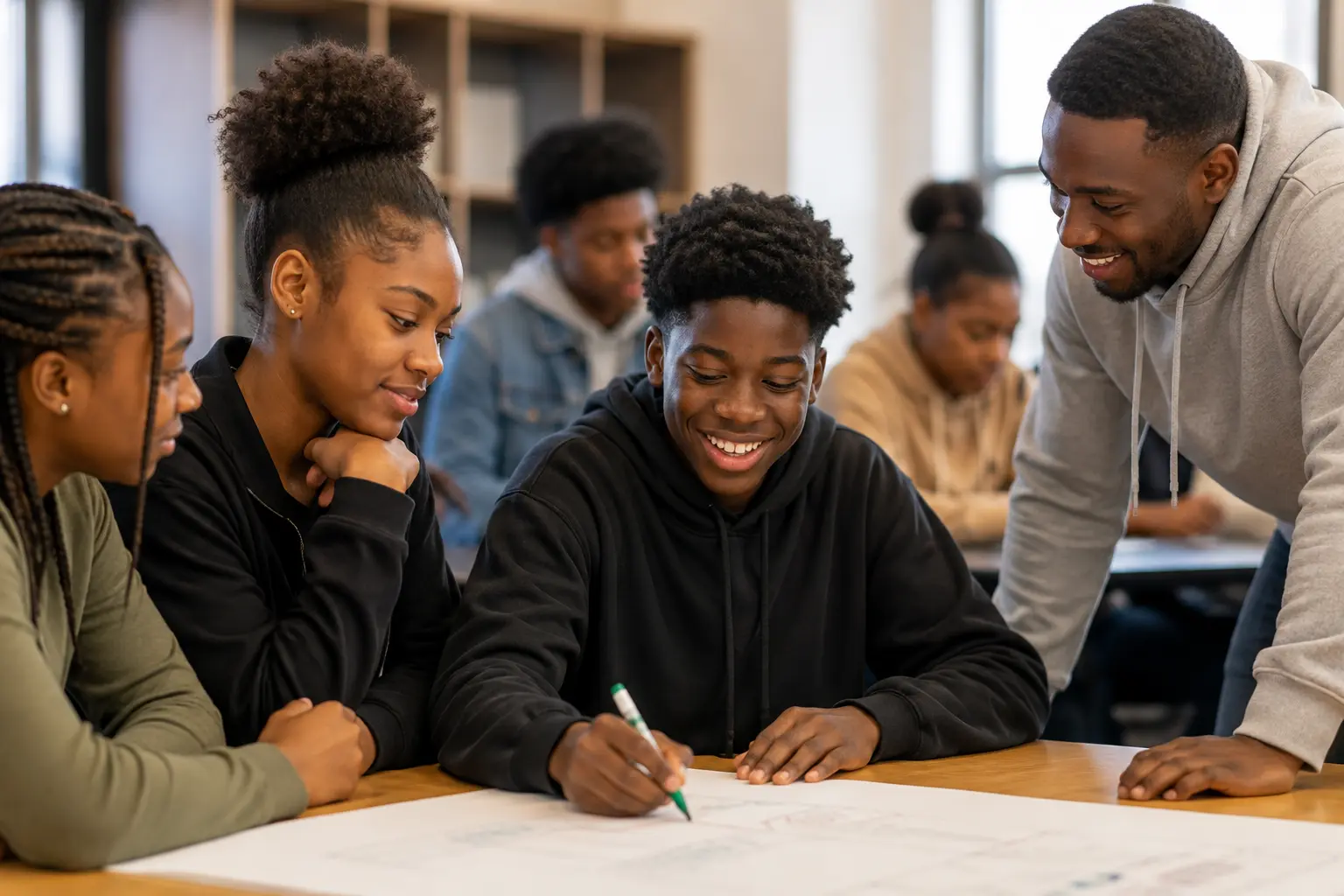
Young people need more than good grades to prepare for adulthood. They need chances to make decisions, take responsibility, communicate with others, solve problems, build confidence, and see possibilities for their future.
High-quality youth development programs give young people supportive environments where they can strengthen life skills, explore leadership, connect with caring adults, and prepare for school, work, and community life.
In this article, we will explore the benefits of youth development programs, how those benefits develop, what parents and schools should look for, and why strong youth programs matter for the wider community.
What Is a Youth Development Program?
A youth development program is a structured experience designed to help young people build strengths, skills, relationships, and opportunities that support healthy growth. Programs may include mentoring, leadership activities, career exploration, service projects, life-skills education, recreation, and other purposeful experiences.
Youth.gov describes positive youth development as an intentional approach that recognizes young people’s strengths and provides opportunities, positive relationships, and support that help those strengths grow. The National Academies similarly describes youth development as a bridge between school, home, and community, providing space for personal growth, learning, relationship-building, skill development, and career exploration.
The important word is development. A strong program does more than keep young people occupied. It gives them meaningful roles and repeated opportunities to practice skills they can use beyond the program itself.
Why Do Youth Development Programs Matter?
Youth development programs matter because young people need safe places to practice becoming capable and responsible adults.
A well-designed program can help them learn how to work with others, follow through on commitments, respond to challenges, communicate clearly, and make thoughtful decisions.
A 2025 National Academies review found that well-structured, high-quality out-of-school programs can contribute to social and emotional growth, including responsibility, positive work habits, social skills, and civic-mindedness. The review also notes that effects on grades or test scores can vary, which is an important reminder that youth development should not be judged by academics alone.
The strongest programs focus on the whole young person.
1. Youth Programs Help Build Responsibility
Responsibility is not learned simply because an adult tells a teenager to “be responsible.” It develops when young people are trusted with real expectations and learn that their choices affect other people.
A youth program might ask participants to arrive on time, complete a project, help organize an activity, work toward a team goal, or take ownership of a specific task.
That creates a simple but powerful process:
Responsibility → Action → Feedback → Accountability → Growth
As young people practice following through, managing their time, making decisions, and responding to feedback, responsibility becomes something they experience rather than something they are simply told about.
These habits matter in school, employment, relationships, and independent adulthood.
2. Youth Development Builds Confidence Through Experience
Confidence is often more durable when it comes from experience rather than praise alone.
When a young person tries something unfamiliar, receives support, improves through practice, and sees the result of that effort, they gain evidence that they can handle challenges. Over time, those experiences can strengthen self-confidence and willingness to try again.
Mentoring can be especially valuable. Youth.gov identifies benefits associated with mentoring that include stronger self-esteem and self-confidence, improved interpersonal skills, healthier relationships, and better attitudes toward school.
Confidence can also grow when young people feel connected to the people and environments around them. The CDC reports that connectedness during adolescence can have lasting effects on health and well-being.
At MT Hope House of Texas, youth support is part of a wider Community Resource Hub model. Families looking for additional non-clinical support can also explore the Hope & Wellness Initiative, which includes peer support, life-skills workshops, and stress-management resources.
3. Leadership Skills Grow When Young People Get to Lead
Leadership is not limited to holding a title.
Young people practice leadership when they make decisions, communicate ideas, help others, solve problems, take initiative, and accept responsibility for an outcome.
A good youth development program creates opportunities for those behaviors instead of teaching leadership only as a concept.
For example, asking a teenager to help plan an activity may require them to listen to different opinions, organize tasks, explain a plan, adjust when something changes, and follow through. One activity can practice several leadership skills at once.
Leadership is learned through practice, not just instruction.
When young people are given meaningful opportunities to contribute, they can begin to see themselves as capable participants in their schools, families, workplaces, and communities.
4. Mentors and Positive Relationships Give Youth Support and Perspective
Skills matter, but relationships often shape how young people learn to use them.
Supportive adults can provide encouragement, constructive feedback, perspective, and consistency. They can also help young people recognize strengths they may not yet see in themselves.
Research reviewed by the National Academies identifies supportive youth-adult relationships as an important feature of quality developmental settings. Program quality, participation, relationships, and engagement can all influence youth outcomes.
MT Hope House’s Youth Development Programs are designed around mentorship, career exploration, leadership development, and workplace readiness for young people in DeSoto and surrounding communities.
5. Youth Development Builds Practical Life Skills
Many of the skills adults rely on every day are difficult to learn from a textbook.
Youth development programs can create practical situations where young people practice:
- Communication and active listening
- Teamwork and cooperation
- Goal setting and time management
- Decision-making
- Problem-solving
- Adaptability
- Conflict resolution
- Accountability
- Self-management
The value comes from using these skills in context.
A group project, for example, can require a young person to communicate an idea, divide responsibilities, manage a deadline, work through disagreement, and adjust when the original plan does not work.
That experience turns abstract “life skills” into something real.
6. Youth Programs Can Prepare Teens for Work and Adulthood
Future readiness is broader than choosing a career.
Young people also need to understand how to communicate professionally, manage responsibilities, set goals, work with different personalities, and adapt when plans change.
Career exploration can help teens connect what they are learning today with the choices available tomorrow. Mentors, workplace exposure, job-readiness activities, and conversations about career pathways can make the future feel more concrete.
The National Academies identifies career exploration and skill-building as important opportunities youth programs can provide outside the classroom.
MT Hope House connects this youth-development work with broader workforce development and employment readiness. Its workforce services include career guidance, job-readiness support, and pathways intended to help participants move toward greater economic stability.
For more on the connection between job preparation and family stability, read Why Workforce Development Matters for Long-Term Stability.
Youth Development Supports More Than Academic Success
Academic performance matters, but it is only one part of healthy development.
A young person may earn good grades and still need opportunities to learn how to speak confidently, manage conflict, handle responsibility, ask for help, collaborate with others, or think about career goals.
The National Academies notes that youth programs can contribute to personal growth, relationships, learning, skill-building, and career exploration, while immediate academic effects can differ depending on the program and activity.
For parents and educators, that means asking a broader question than:
“Will this improve grades?”
A better question is:
“Will this environment help the young person become more capable, connected, responsible, and prepared for what comes next?”
That is a better way to think about long-term success.
What Should Parents Look for in a Youth Development Program?
Not every youth program provides the same experience. Research from the National Academies emphasizes that program quality, participation, and engagement are closely connected.
When comparing programs, parents can look for:
- Caring, consistent adults who interact respectfully with youth
- A safe and welcoming environment
- Clear goals and organized activities
- Opportunities to take responsibility and make choices
- Age-appropriate leadership experiences
- Practical skill-building
- Positive peer interaction
- Constructive feedback
- Career or educational exposure when appropriate
- Clear communication with families
Parents should also consider their child’s interests, needs, age, and goals. A program is more valuable when a young person can actively participate instead of simply receiving instructions.
Families in DeSoto and the greater Dallas area who want to explore mentorship, leadership development, career exposure, and workplace readiness can learn more about MT Hope House’s Youth Development Programs.
How Schools and Community Organizations Can Support Youth Development
Youth development is strongest when young people receive support across the different places where they live and learn.
Schools bring academic knowledge and daily structure. Community organizations can add mentoring, practical learning, career exposure, family support, and connections to useful services. Parents and caregivers contribute important knowledge about the young person’s needs, strengths, and goals.
The National Academies describes youth development programs as an important bridge between school, home, and community.
MT Hope House’s Community Outreach & Resource Navigation helps connect individuals and families in DeSoto with education, employment, wellness, family support, and other community resources.
Strong communities make it easier for families to find the right support at the right time.
Why Investing in Youth Development Matters for Communities
Supporting young people is also an investment in the future strength of a community.
Demand for structured afterschool opportunities remains significant. According to the Afterschool Alliance’s 2025 America After 3PM findings, parents of nearly 6.7 million middle schoolers wanted afterschool programs for their children. About 5.2 million lacked access, meaning nearly 4 in 5 middle schoolers whose parents wanted a program were missing out.
Access matters because opportunities to build skills, relationships, confidence, and career awareness are not available equally to every young person.
Businesses, schools, faith communities, volunteers, mentors, and donors can all play a role in expanding those opportunities.
MT Hope House provides ways to support youth and community programs through volunteering, mentoring, partnerships, and financial support.
Youth Development at MT Hope House of Texas
MT Hope House of Texas is a Community Resource Hub serving DeSoto and the greater Dallas area. Its work extends beyond immediate assistance to include workforce development, wellness support, resource navigation, education, youth programming, and other services designed to help individuals and families move from crisis to stability and from stability to success.
Its youth development approach focuses on mentorship, leadership, career exploration, and workplace readiness.
These areas support a larger goal: helping young people build practical strengths, recognize opportunities, and prepare for their next stage of life.
If you are a parent, educator, community partner, or supporter looking for ways to help young people grow, explore MT Hope House Youth Development Programs.
Frequently Asked Questions
What are the main benefits of youth development programs?
Youth development programs can give young people structured opportunities to build responsibility, confidence, communication, leadership, teamwork, decision-making, and other practical life skills. Quality programs may also provide mentoring, positive relationships, career exploration, and opportunities to contribute to their communities.
How do youth development programs build confidence?
Youth programs can build confidence by giving young people manageable challenges, support, practice, feedback, and opportunities to recognize their own progress. Confidence can become stronger when young people experience themselves solving problems, learning skills, speaking up, or taking responsibility successfully.
How do youth programs teach responsibility?
Youth programs teach responsibility through real expectations. Participants may need to arrive on time, complete tasks, work with a team, manage deadlines, make choices, and respond to feedback. These experiences allow responsibility to become a practiced behavior instead of an abstract lesson.
What skills do youth development programs teach?
Depending on the program, young people may practice communication, teamwork, leadership, problem-solving, decision-making, time management, goal setting, conflict resolution, adaptability, workplace readiness, and self-management.
Can youth programs help prepare teenagers for careers?
Yes. Programs that include career exploration, mentoring, professional communication, workplace expectations, or job-readiness activities can help teenagers better understand possible career paths and begin developing skills they may need in future education and employment.
What should parents look for in a youth development program?
Parents should look for a safe and supportive environment, caring adults, clear program goals, meaningful activities, opportunities for youth participation, practical skill-building, leadership experiences, constructive feedback, positive peer interaction, and good communication with families. The right program should also fit the young person’s age, interests, needs, and goals.